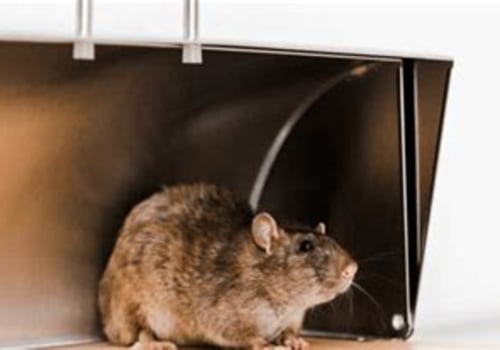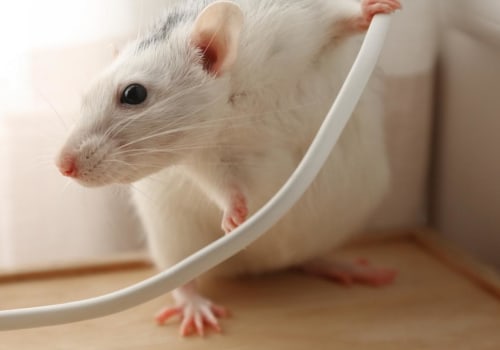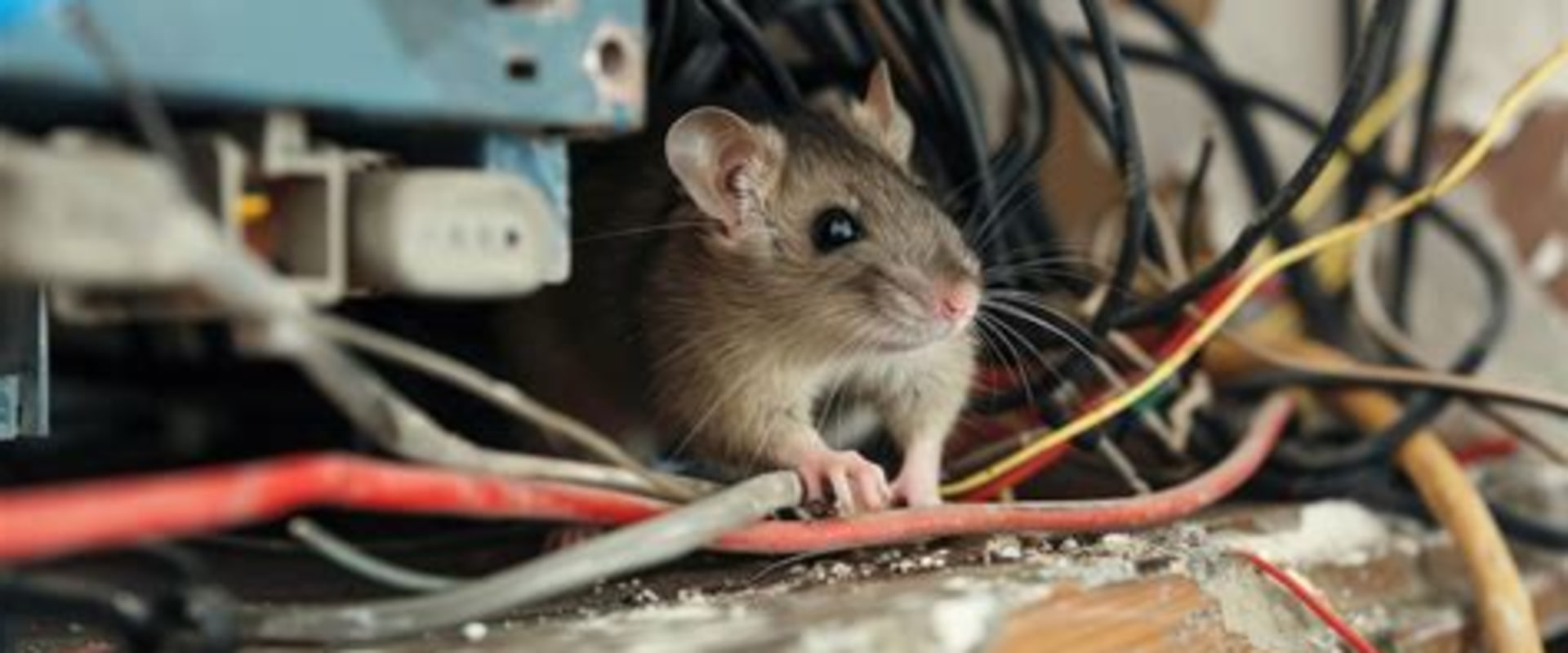
Rodents are a serious threat to electrical installations, especially in areas where wiring is hidden behind walls, in attics, or within utility spaces. Mice and rats constantly gnaw to keep their teeth from overgrowing, and unfortunately, electrical wiring often becomes a target. This behavior can strip insulation from wires, exposing live currents and increasing the risk of short circuits, system failures, and even electrical fires. In addition to direct damage, rodent nesting materials can accumulate around electrical components, further elevating fire hazards. Recognizing these risks is the first step toward implementing effective control measures that protect both the home and its electrical infrastructure.
Identifying Signs of Rodent Activity Near Electrical Installations
Early detection is key to preventing extensive damage. Homeowners should watch for signs such as droppings near outlets or panels, gnaw marks on visible wiring, and unusual noises within walls or ceilings. Flickering lights or unexplained power interruptions can also indicate that rodents have compromised electrical systems. Conducting regular inspections of attics, basements, and crawl spaces helps identify potential issues before they escalate. By addressing these warning signs promptly, it becomes easier to limit damage and maintain system reliability.
Implementing Preventative Measures for Protection
Preventing rodent access to electrical installations requires a combination of sealing entry points and maintaining a clean environment. Small gaps around pipes, vents, and wiring should be sealed with durable materials to block entry. Keeping storage areas organized and free of clutter reduces hiding spots and makes it easier to monitor activity. Installing protective coverings over exposed wiring adds an extra layer of defense against gnawing. These measures, when consistently applied, create an environment that is less attractive and accessible to rodents.
Coordinating Pest Control with Electrical Safety Upgrades
Addressing rodent issues is most effective when combined with electrical safety upgrades. Homeowners who are already improving their systems—such as scheduling smoke detector installation in Fort Worth—can take the opportunity to inspect wiring and reinforce vulnerable areas. Working with both pest control specialists and electricians ensures that all aspects of the problem are addressed comprehensively. This coordinated approach not only removes existing infestations but also strengthens the overall resilience of the electrical system against future threats.
Long-Term Benefits of Proactive Rodent Management
Taking a proactive approach to managing rodent issues around electrical installations offers significant long-term benefits. By preventing damage and maintaining system integrity, homeowners can reduce the risk of costly repairs and improve overall safety. A rodent-free environment also enhances indoor air quality and reduces stress associated with recurring infestations. Over time, integrating pest control with routine electrical maintenance creates a more secure and efficient home environment. Ultimately, understanding how to handle rodent issues effectively ensures that electrical systems remain reliable, safe, and well-protected for years to come.