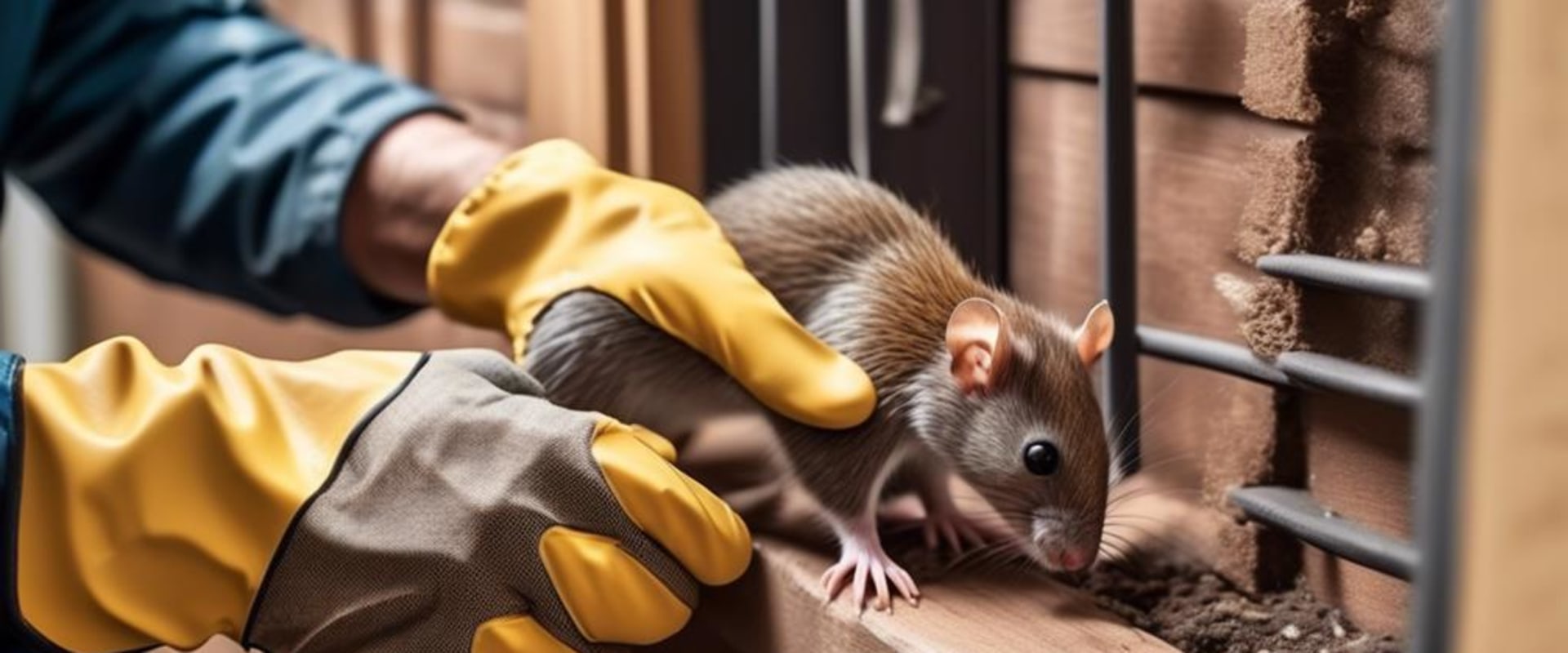
Rodent removal specialists often explain that keeping mice and rats out of a home involves much more than traps and bait stations. One of the most important but frequently overlooked factors is the condition of the exterior surfaces surrounding the property. Cracked concrete, uneven walkways, deteriorating driveways, and poorly maintained patios can create the perfect environment for rodents to hide, travel, and eventually enter a home. Rats and mice are highly adaptable creatures that seek out sheltered pathways and concealed entry points, especially in residential areas where food, water, and warmth are easily accessible. When exterior surfaces begin to break down, gaps and openings can form near foundations, utility lines, and drainage systems, giving rodents convenient access to crawl spaces, garages, and wall cavities. Rodent control experts regularly remind homeowners that prevention starts outdoors, and maintaining the property’s exterior can significantly reduce the likelihood of recurring infestations.
Cracks and Gaps Create Hidden Access Points
Small surface issues can quickly turn into major pest concerns when left unaddressed. Rodents are capable of squeezing through surprisingly small openings, and damaged concrete or shifting surfaces can create entry points that homeowners may not immediately notice. Cracks near driveways, sidewalks, and retaining walls often allow moisture to collect, softening nearby soil and increasing the risk of structural shifting around the home. Over time, these conditions can widen foundation gaps or expose vulnerable areas beneath siding and exterior walls. Rodent removal professionals commonly inspect these outdoor spaces because rodents prefer to travel close to walls and hidden edges where they feel protected from predators. Poorly maintained surfaces also encourage overgrown vegetation and debris accumulation, giving rats and mice additional cover during nighttime activity. Many property owners eventually discover that recurring rodent problems are tied not only to sanitation issues but also to neglected exterior maintenance that allows pests to move freely around the structure.
Surface Drainage and Structural Stability Play a Major Role
Another reason specialists recommend maintaining exterior surfaces is because water drainage and structural stability are closely connected to rodent prevention. Standing water near foundations or uneven pavement can weaken surrounding materials and create damp environments that attract insects, which rodents may feed on indirectly. Moist conditions also encourage burrowing activity because softer soil makes it easier for rodents to tunnel beneath slabs, patios, and walkways. Professionals in exterior restoration and repair, including companies like Concrete Revival, often help homeowners address damaged surfaces before they contribute to larger pest-related problems. Properly maintained concrete surfaces help direct water away from the property, reduce soil erosion, and minimize opportunities for rodents to establish nesting areas near the home. Rodent specialists frequently emphasize that sealing entry points alone is not enough if exterior conditions continue to support pest activity. Long-term prevention depends on maintaining a clean, stable, and well-drained environment around the property.
Preventative Maintenance Supports Long-Term Rodent Control
Homeowners dealing with rodent infestations sometimes focus entirely on interior treatments while overlooking the conditions outside that continue attracting pests. However, successful rodent prevention requires a more complete approach. Routine inspections of driveways, sidewalks, patios, and foundation areas can help identify cracks, drainage problems, or shifting surfaces before they become serious issues. Keeping exterior spaces clean and well-maintained reduces hiding spots and limits opportunities for rodents to travel unnoticed around the home. Pest control experts consistently explain that preventative maintenance is often more effective and less costly than repeated extermination treatments after infestations become severe. By investing in exterior surface upkeep and addressing structural concerns early, homeowners can create a less inviting environment for rodents while also protecting the long-term value and safety of their property.