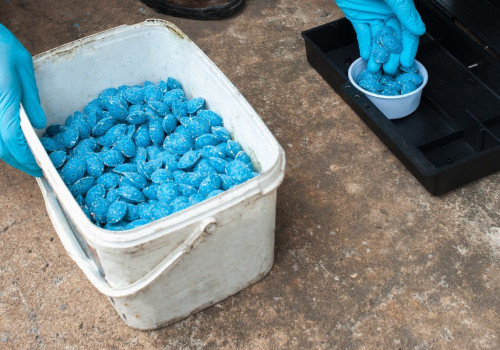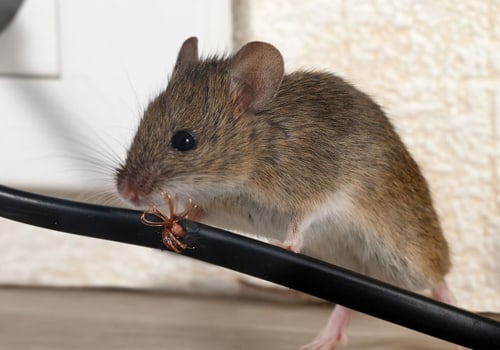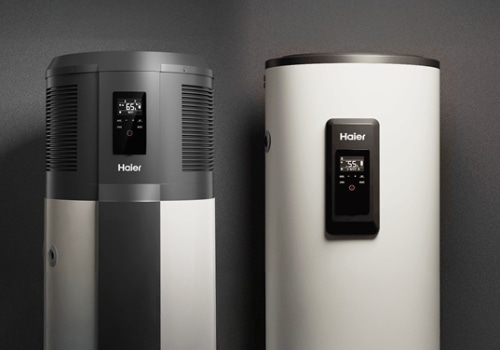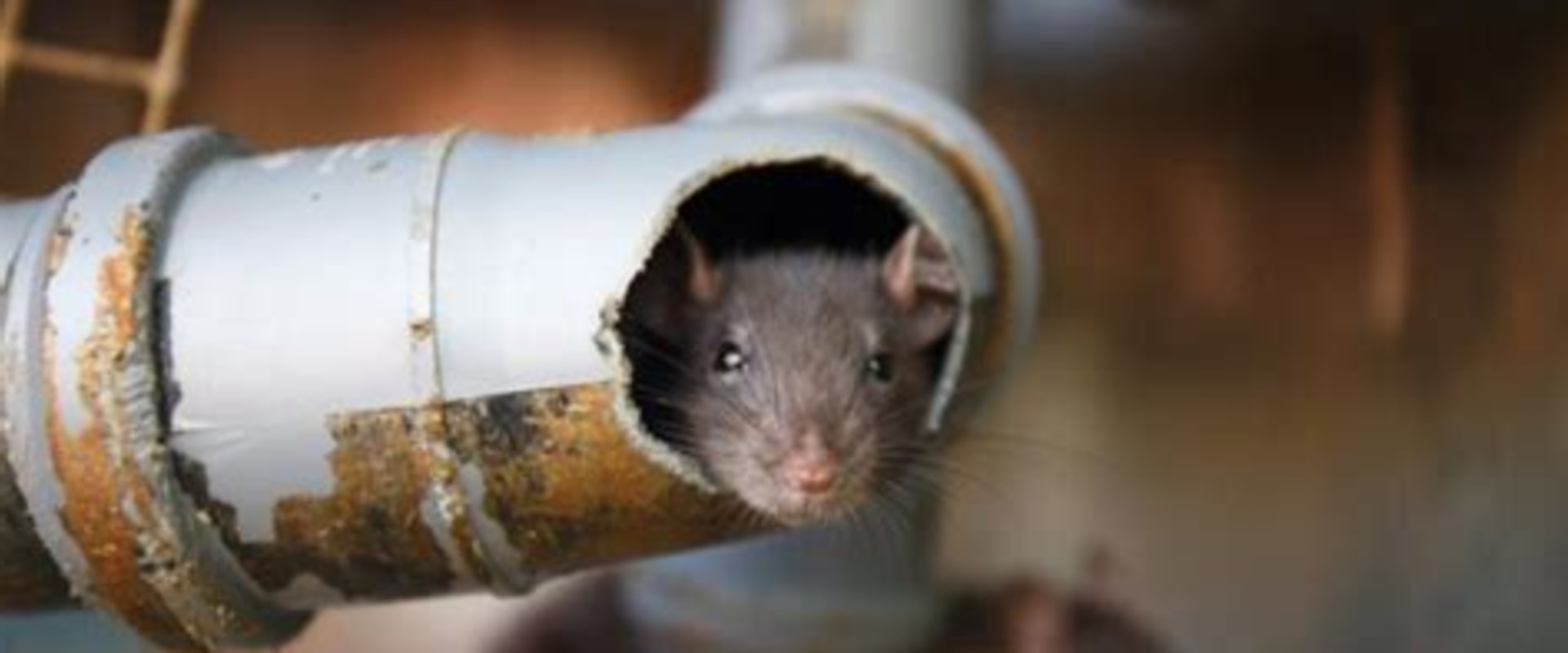
Rodents are more than just a nuisance—they can cause significant damage to a home’s plumbing system if left unchecked. Mice and rats have strong teeth that continuously grow, leading them to gnaw on materials such as plastic pipes, insulation, and even softer metals. Utility areas like basements, crawl spaces, and under-sink cabinets are particularly vulnerable because they provide warmth, shelter, and easy access to water sources. Once rodents infiltrate these spaces, they can create leaks, weaken pipe integrity, and contaminate water systems. Understanding these risks is the first step in implementing effective rodent removal and prevention strategies.
Identifying Entry Points and Early Warning Signs
Preventing rodent damage begins with identifying how they enter the home. Common entry points include gaps around pipes, cracks in foundations, and openings near vents or utility lines. Even small holes can serve as access routes for rodents. Homeowners should conduct regular inspections of these areas and seal any gaps using durable materials such as steel wool or caulk. Early warning signs of rodent activity include droppings, gnaw marks, and unusual noises within walls or ceilings. Addressing these signs promptly helps prevent minor infestations from escalating into larger problems that can affect plumbing systems.
Protecting Pipes and Fixtures from Damage
Once rodents gain access to a home, they often target pipes and fixtures because of the moisture they provide. Protecting these components is essential for maintaining a functional plumbing system. Installing pipe insulation not only helps regulate temperature but also adds a protective barrier against gnawing. Additionally, securing pipes with proper fittings and supports reduces movement, making them less appealing targets. Homeowners experiencing plumbing concerns may consider consulting a local plumber to assess potential vulnerabilities and recommend protective measures. Combining professional advice with preventative actions ensures that pipes and fixtures remain in good condition.
Maintaining Clean and Controlled Environments
A clean and well-maintained environment is key to deterring rodents from settling in utility areas. Eliminating food sources, securing trash, and reducing clutter make the home less attractive to pests. In areas where plumbing fixtures are present, keeping surfaces dry and addressing leaks promptly reduces the availability of water, which is a major attractant for rodents. Proper ventilation also helps control humidity levels, creating an environment that is less conducive to infestation. Consistent maintenance not only discourages rodents but also makes it easier to detect any signs of activity early on.
Long-Term Prevention and Integrated Maintenance
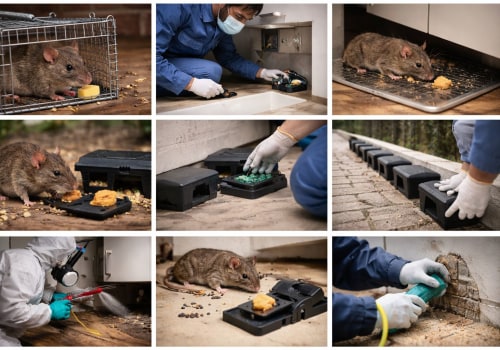
Effective rodent removal is not a one-time effort but an ongoing process that involves regular monitoring and maintenance. Combining exclusion techniques, sanitation practices, and professional inspections creates a comprehensive approach to protecting plumbing systems. Over time, these strategies reduce the likelihood of infestations and minimize the risk of costly repairs. By integrating rodent prevention into overall home maintenance, homeowners can safeguard their pipes and fixtures while maintaining a safe and comfortable living environment. Ultimately, a proactive approach ensures that both the home’s structure and its essential systems remain protected from the damaging effects of rodent activity.